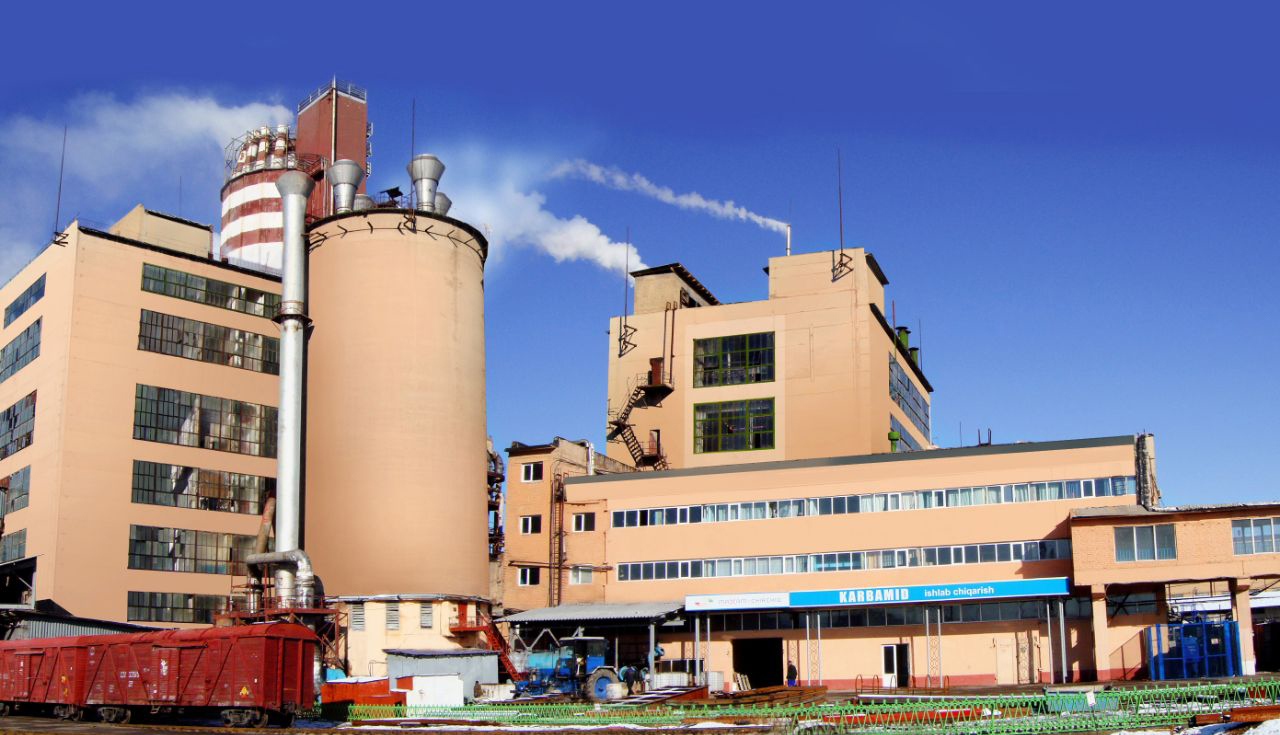
Maxam Chirchiq JSC has signed a supply and implementation contract with Alvigo for a secondary nitrous oxide (N₂O) abatement catalyst system at Maxam’s nitric acid production unit in Uzbekistan. The contract is an important step in moving the project from planning towards effective N₂O abatement.
The contract follows a Grant Agreement between Maxam Chirchiq and the Deutsche Gesellschaft für Internationale Zusammenarbeit (GIZ) GmbH, under which GIZ supports the procurement and installation of the secondary abatement technology. The project is funded by the German Government and implemented under the Nitric Acid Climate Action Group (NACAG). NACAG works worldwide to abate N₂O emissions from nitric acid plants, cooperating with partner countries to promote sustainable industrial development and contribute to global climate goals.
Reducing emissions from nitric acid production
N₂O is generated as a by-product of nitric acid production. Since it is about 265 times more potent than CO₂, abatement systems are used to reduce these emissions before they are released into the atmosphere. The secondary catalyst will be installed directly in the plant’s reactor section and is designed to significantly reduce N₂O formation during the oxidation process, while maintaining plant throughput and product quality.
Project impact and next steps
Once the system is operating, the project is expected to reduce emissions by 683,000 t CO₂e annually. With this step, Maxam Chirchiq contributes to Uzbekistan’s climate objectives and shows the practical impact of international collaboration on industrial emissions mitigation.
Following contract signature, project execution will begin with detailed engineering and procurement, followed by on-site installation and commissioning. Project performance will be assessed through a state-of-the-art continuous emission monitoring system (CEMS), which will be installed in 2027. Continuous monitoring and reporting will verify the emission reductions in line with NACAG standards. NACAG and GIZ will continue to accompany the project throughout installation, start-up and the subsequent monitoring.