Aqaba’s Kemapco becomes the first private-sector company in Jordan to commit to nitrous oxide abatement, with the project expected to cut around 150,000 tonnes of CO₂ equivalent annually.
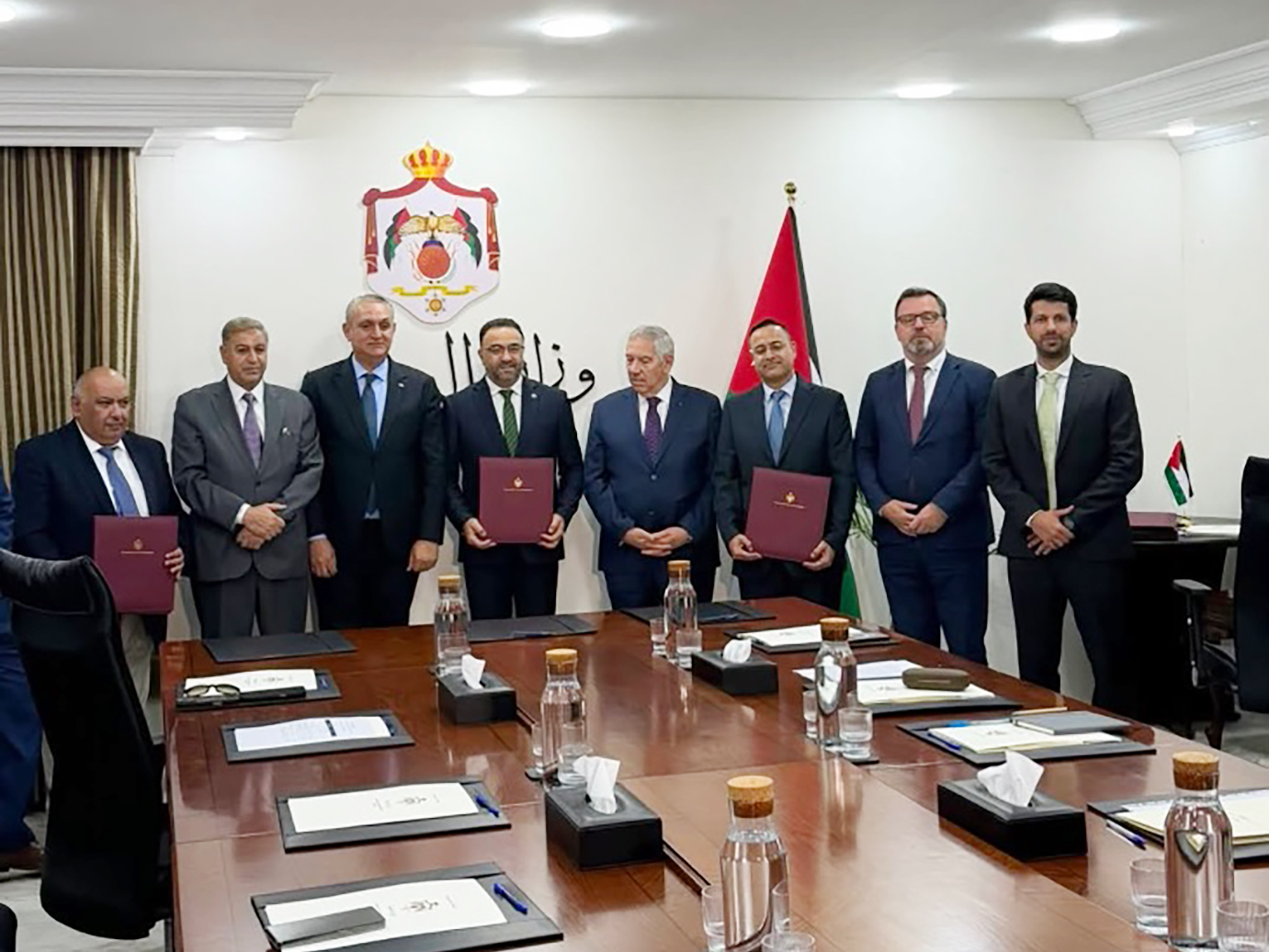
In a significant step toward reducing industrial emissions and advancing sustainable industry in Jordan, the Minister of Environment, Representatives of the Aqaba Special Economic Zone Authority (ASEZA) and the Arab Fertilizers and Chemicals Industries Limited (Kemapco) have signed a Memorandum of Understanding (MoU) to strengthen cooperation on reducing nitrous oxide (N₂O) emissions from nitric acid production at Kemapco’s Aqaba facility, and to ensure emissions are monitored and reported in line with national frameworks.The agreement was enabled also through the support of the Nitric Acid Climate Action Group (NACAG), implemented as part of the International Climate Initiative (IKI). NACAG provides support to partner countries and companies in advancing climate-friendly nitric acid production and enabling the implementation of effective nitrous oxide (N₂O) abatement measures. Jordan joins a group of 11 NACAG partner countries. The overall portfolio of projects is expected to deliver roughly 2.6 million tonnes of CO₂equivalent in direct emission reductions annually – around 15 million tonnes of CO2e over the course of the lifetime of the catalysts financed by the NACAG.
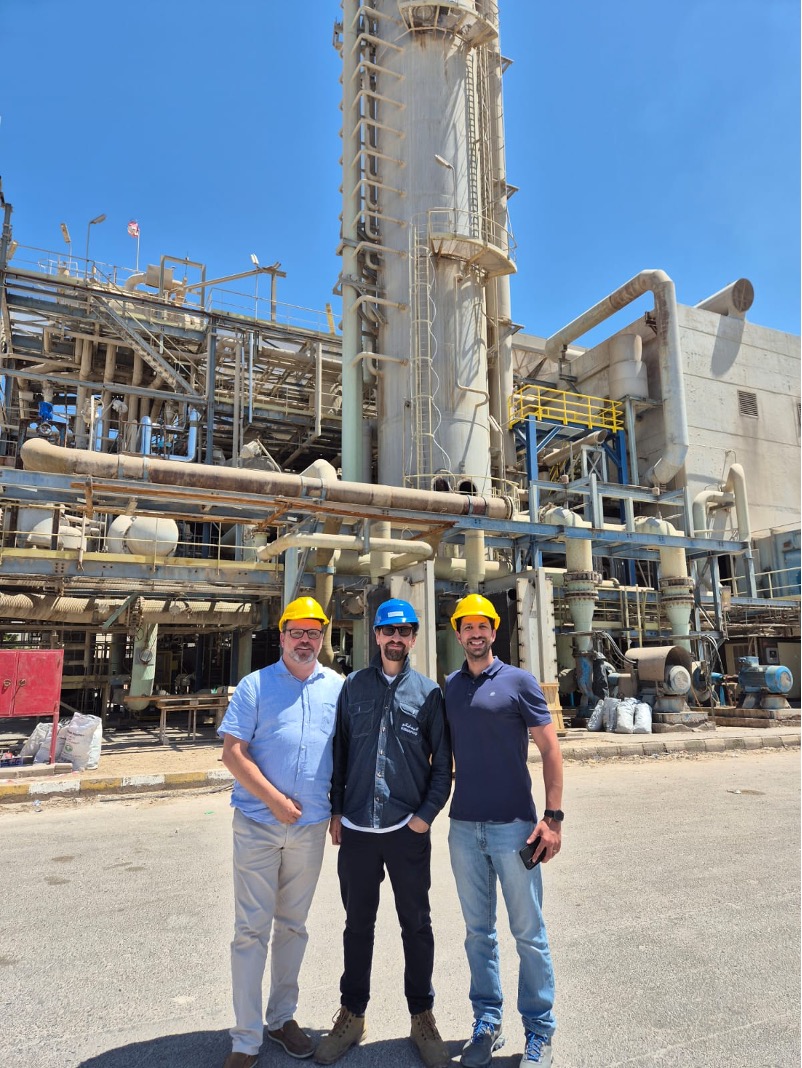
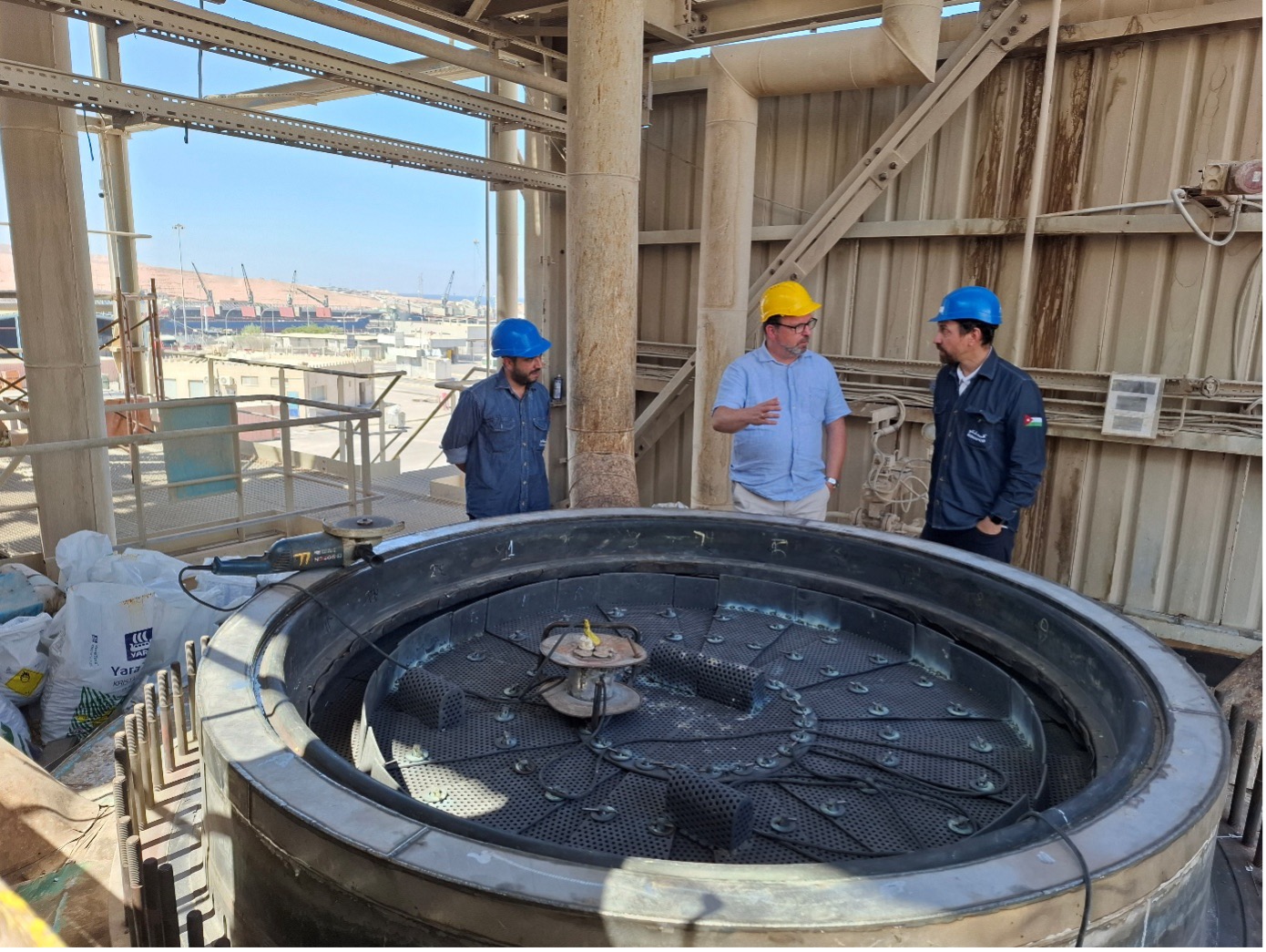
The NACAG Secretariat accompanied and supported the process leading to the MoU and attended the signing ceremony. As part of its engagement, the Secretariat also visited Kemapco’s facility in Aqaba to gain first-hand insights into the production site and the planned implementation of the N₂O abatement technology, financed by NACAG.
A first for Jordan’s private sector
Kemapco is committing voluntarily to reducing N₂O emissions from the nitric acid production in their facility in Jordan. Once operational, the Kemapco facility is projected to reduce emissions by approximately 150,000 tonnes of CO₂equivalent per year, supporting the implementation of Jordan’s Nationally Determined Contributions (NDCs) and reinforcing cleaner production practices in one of the country’s key export industries.
Roles and responsibilities under the MoU
The agreement sets out clear procedures for the continuous operation of abatement systems and for monitoring and annual reporting of emissions and reductions achieved. Under the MoU ASEZA will conduct field visits and periodic inspections of the Kemapco facility, provide technical support for compliance, coordinate with the Ministry of Environment on verification results and corrective actions, and help raise awareness of climate action in the Aqaba region. Moreover, Kemapco commits to sustainably operating and maintaining abatement and monitoring technologies, continuously tracking emissions and reductions, submitting annual reports to the Ministry of Environment, facilitating audits and field visits, and promptly reporting any operational disruptions that could affect system performance.
All parties will establish a reporting timetable, hold joint annual review meetings, develop technical guidelines for coordinated monitoring, and strengthen training and capacity-building.
The memorandum supports Jordan’s commitment to reduce total greenhouse gas emissions by 31% by 2030, of which 5% unconditionally and 26% conditional on international support, and reinforces the Kingdom’s climate transparency obligations under the Paris Agreement.
Moreover, the timing coincides with the Ministry of Environment’s newly presented Strategic Plan, which reaffirms Jordan’s Economic Transformation Strategy 2023–2033 and Green Growth Strategy, placing industrial decarbonization, green industry, and the circular economy at the heart of the country’s development agenda. The Kingdom prepares for requirements such as the EU’s Carbon Border Adjustment Mechanism (CBAM) as a growing driver for export-oriented industries to modernize production while maintaining competitiveness as a clear national priority.